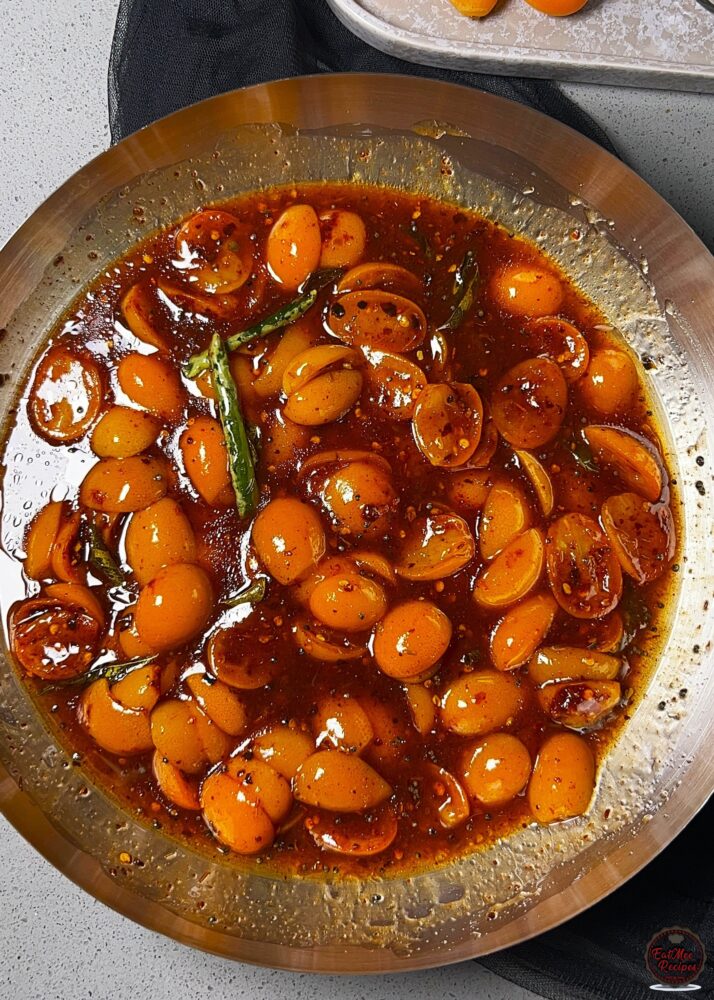
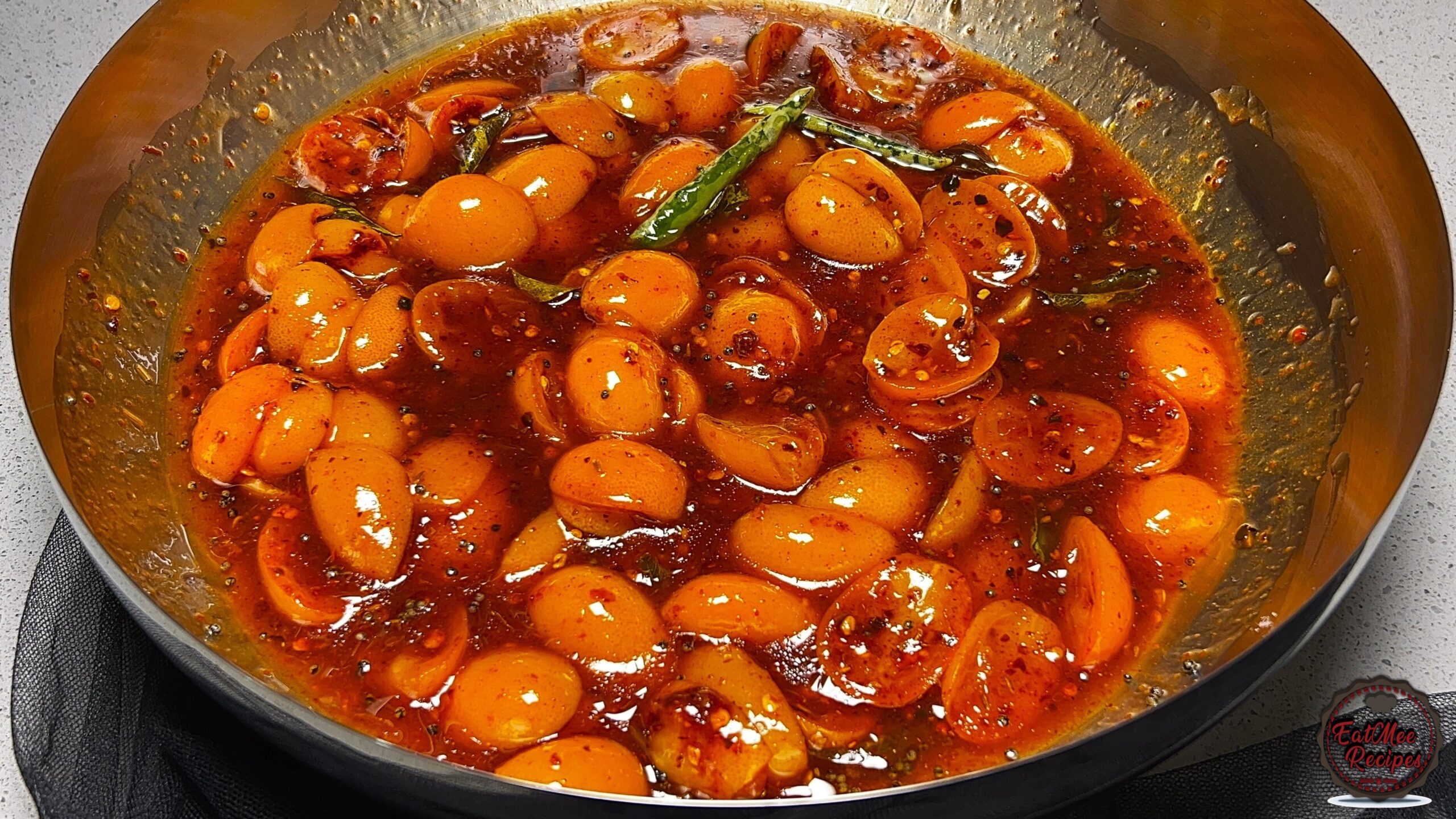
This Recipe Makes Makes 1 Litre of Kumquat Pickle
One of my favourite things about kumquat season is making a fresh batch of pickle. The combination of sweet, tangy and spicy flavours transforms these little citrus fruits into something truly special.
This recipe is my take on a traditional South African Indian style kumquat pickle. Instead of relying on large amounts of sugar or thickening agents, I’ve balanced the sweetness with apricot jam and allowed the natural flavour of the kumquats to shine through.
The result is a glossy, flavour-packed pickle that’s delicious served alongside curries, dhal, rice dishes, rotis or simply enjoyed straight from the jar.
This recipe fills approximately 1 litre, making it perfect for gifting or keeping in the fridge to enjoy throughout the season.
Frequently Asked Questions
Do I need to remove the seeds from the kumquats?
Yes. Removing the seeds helps prevent bitterness and makes the pickle easier to eat.
Can I use only white sugar?
Yes. Brown sugar adds a subtle caramel flavour, but you can replace it with the same amount of white sugar if preferred.
Why is apricot jam added?
Apricot jam gives the pickle a beautiful glossy finish, balances the tanginess of the vinegar with a gentle fruity sweetness, and helps create a rich syrup that coats every kumquat.
How long does kumquat pickle last?
Stored in a sterilised airtight jar in the refrigerator, it will keep for up to 3 months.
Can I make this pickle spicier?
Absolutely. Increase the chilli flakes or Kashmiri chilli powder to suit your taste.
Note:
- If you prefer a sweeter pickle, increase the apricot jam to ½ cup.
- For extra heat, add more chilli flakes or chopped green chillies.
- Brown sugar can be omitted and replaced with white sugar.
- The syrup will continue to thicken slightly as the pickle cools.
- Taste your pickle masala before using, as different brands vary in saltiness and heat.
Kumquat Pickle Ingredients:
Kumquats:
- 800 – 900 grams kumquats
- 1 teaspoon salt
- ¼ teaspoon turmeric powder
- Water, for boiling
Syrup:
- 1¼ cups white vinegar
- ½ cup water
- ¾ cup white sugar
- 2 tablespoons brown sugar
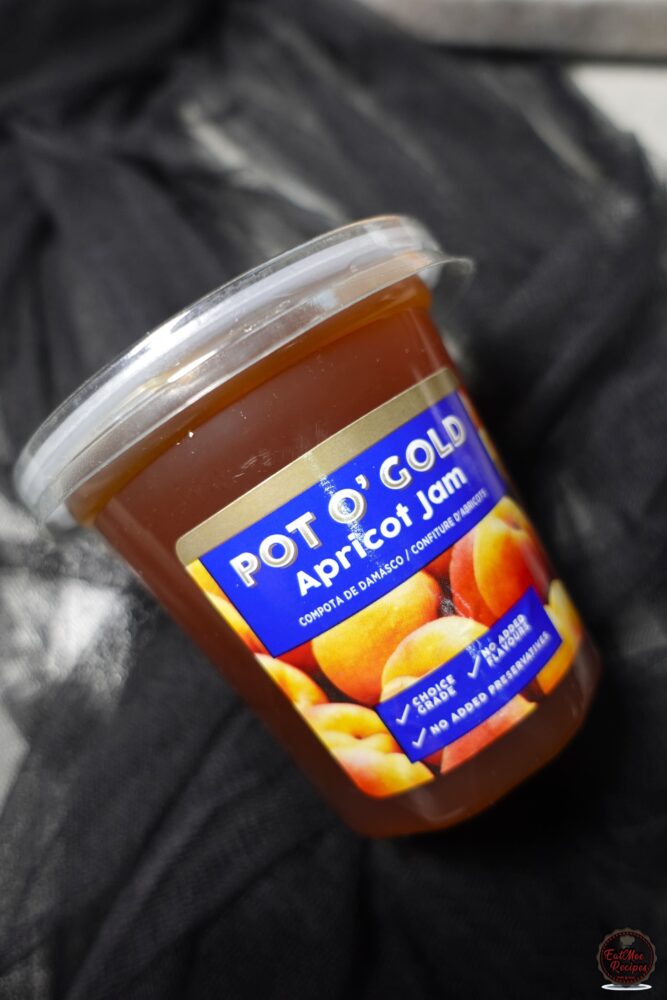
- ⅓ cup smooth apricot jam
- 2 tablespoons cornflour
- 3 tablespoons cold water
Spice Mix:
- ⅓ cup wet pickle masala (or normal pickle masala)
- 1 tablespoon chilli powder
- 1 teaspoon chilli flakes
- 1 teaspoon coriander (dhania) powder
- ½ teaspoon cumin (jeera) seeds
Vagaar:
- ¼ cup oil
- 1 teaspoon mustard seeds
- 2 green chillies, slit
- 1 sprig curry leaves
Step-by-Step Instructions
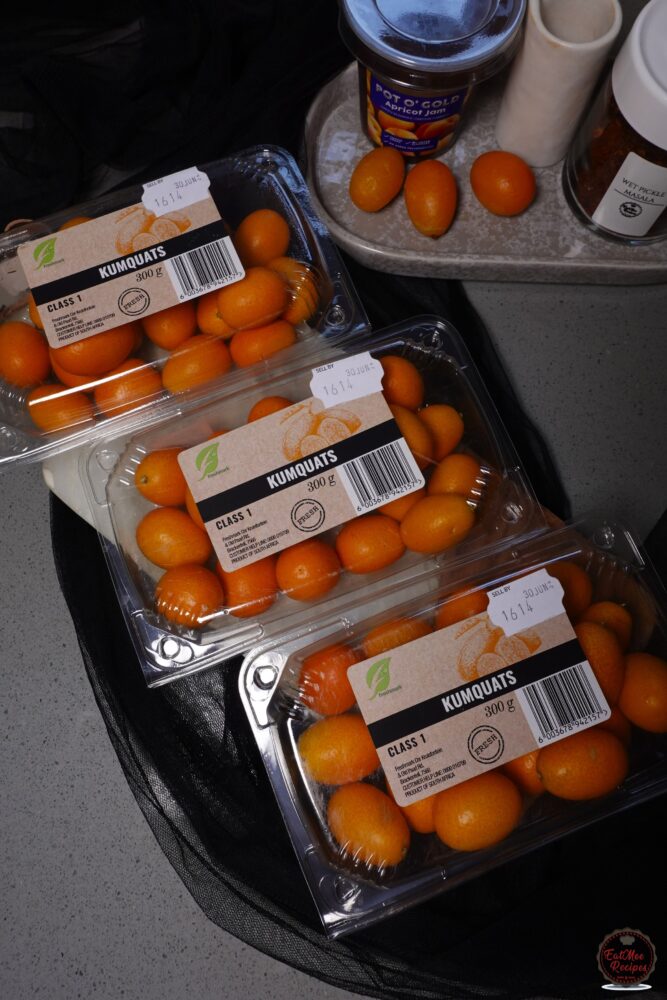
I found these beautiful kumquats at Checkers, but you may also find them at your local fruit and vegetable market or farm stall when they’re in season. Kumquats are unique because the peel is sweet while the flesh is tart. Boiling them briefly softens the fruit and helps reduce some of the bitterness while preserving their shape.
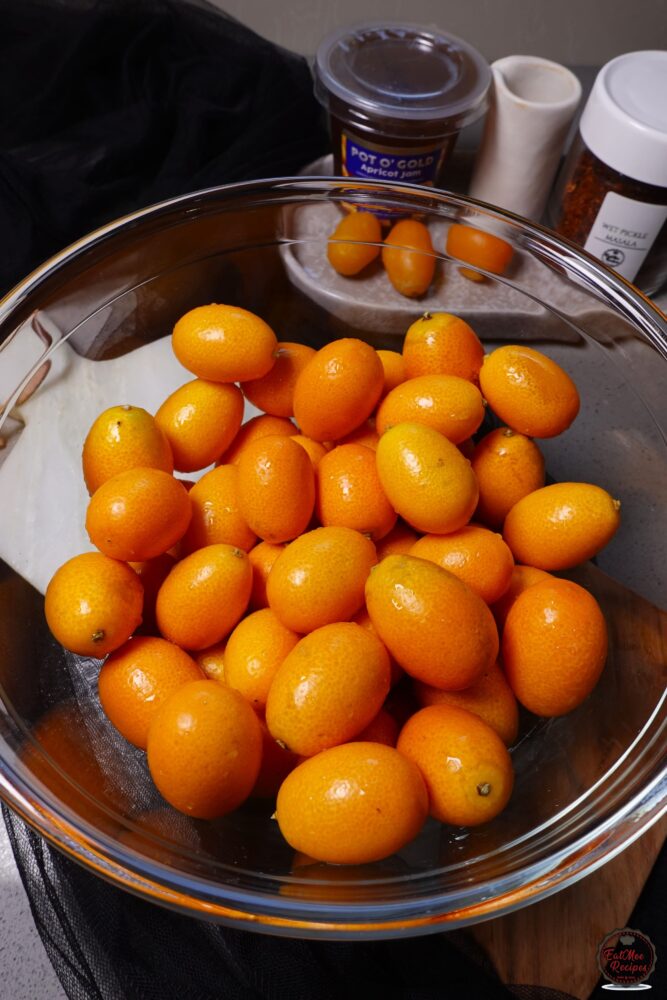
Wash the kumquats thoroughly under cold running water to remove any dirt or residue.
Slice each kumquat in half lengthwise. This will take some time so you may do this a day in advance if needed.
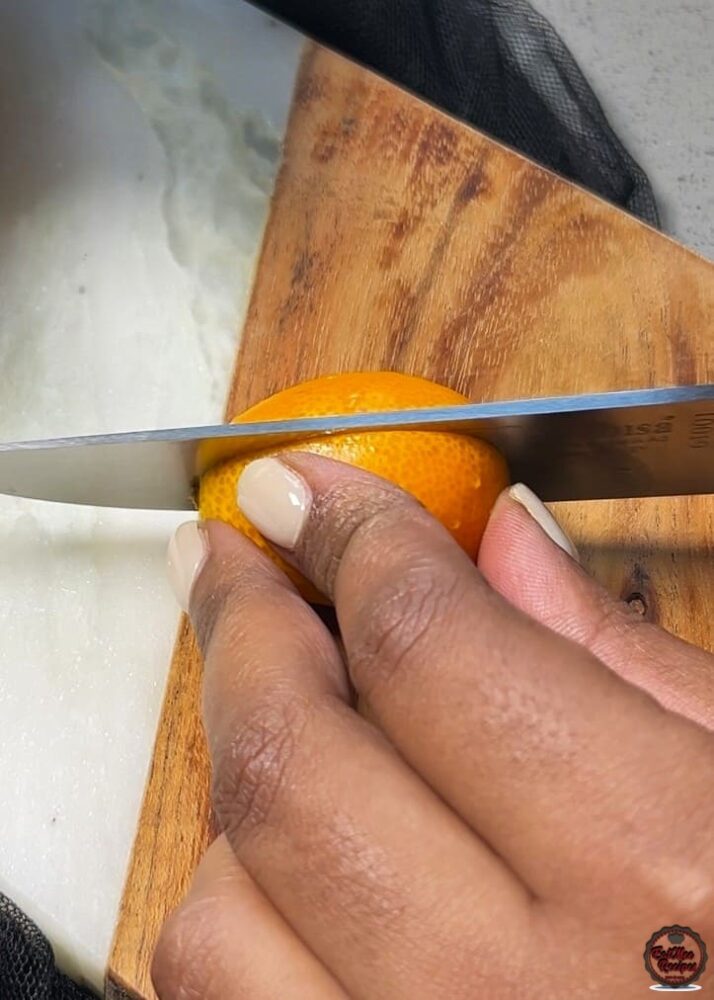
Remove the seeds and trim off the small stem ends (nubs). This helps reduce bitterness and makes the pickle easier to enjoy.
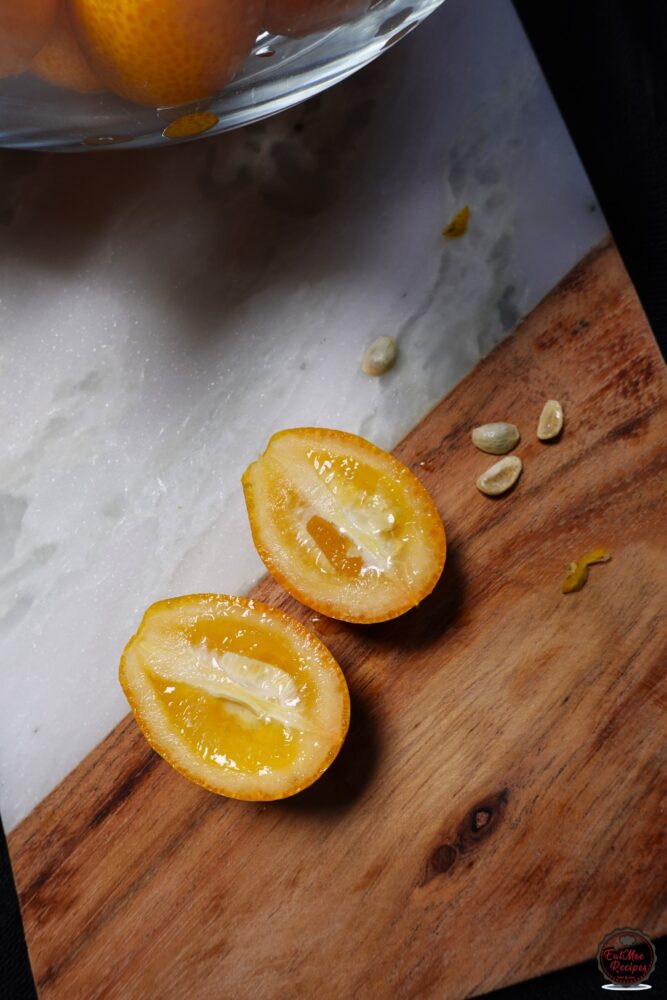
Place all the prepared kumquats into a large bowl and set aside.
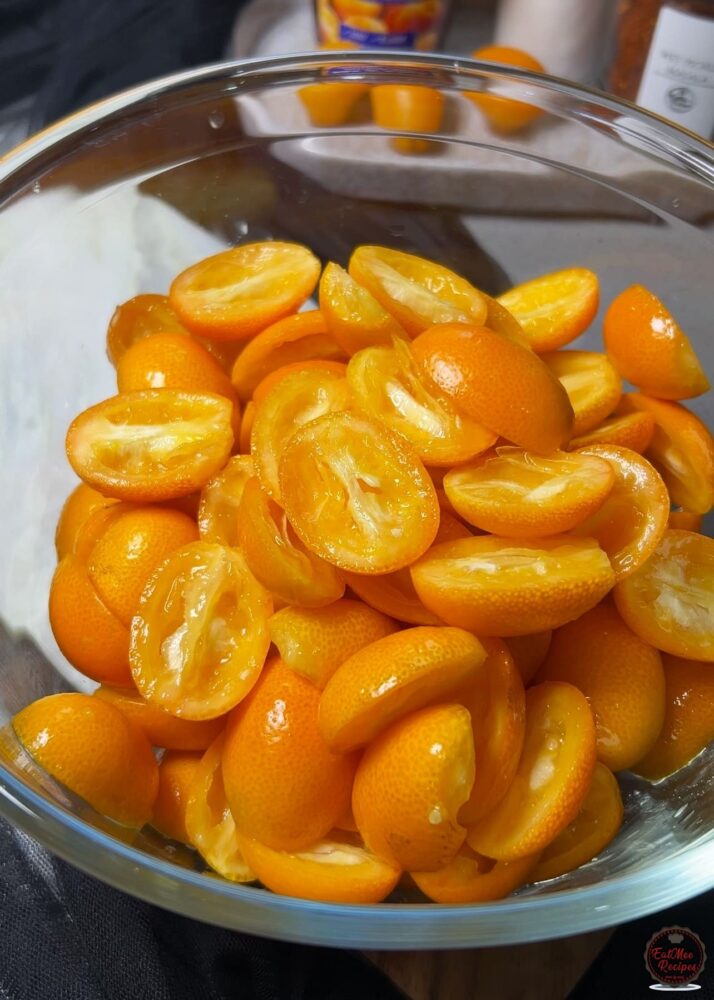
Bring a large pot of water to the boil on medium-high heat.
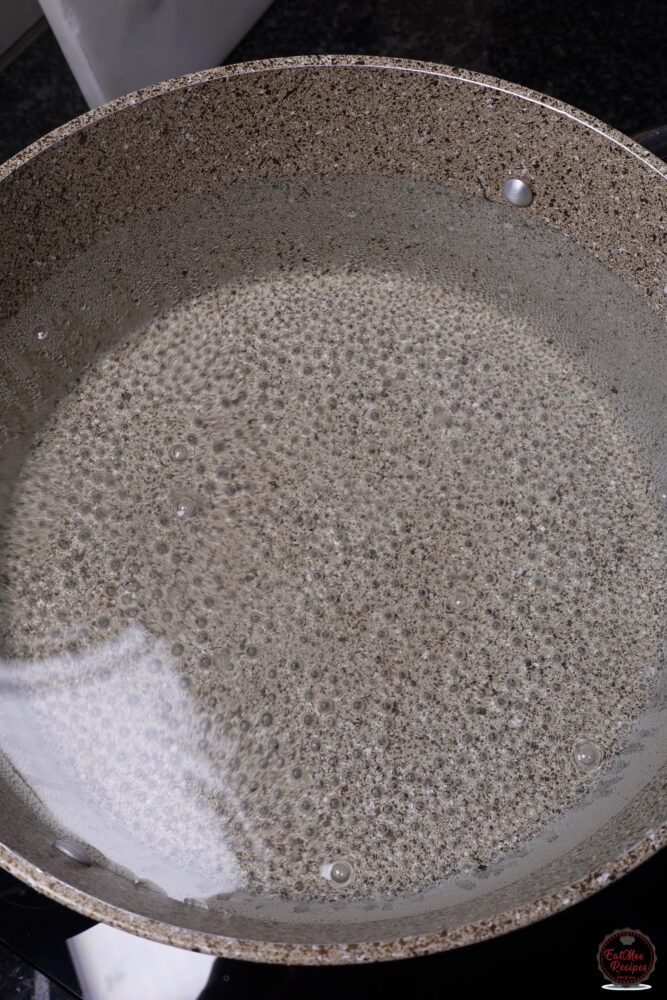
Add the salt and turmeric, followed by the kumquats and give them a quick stir.
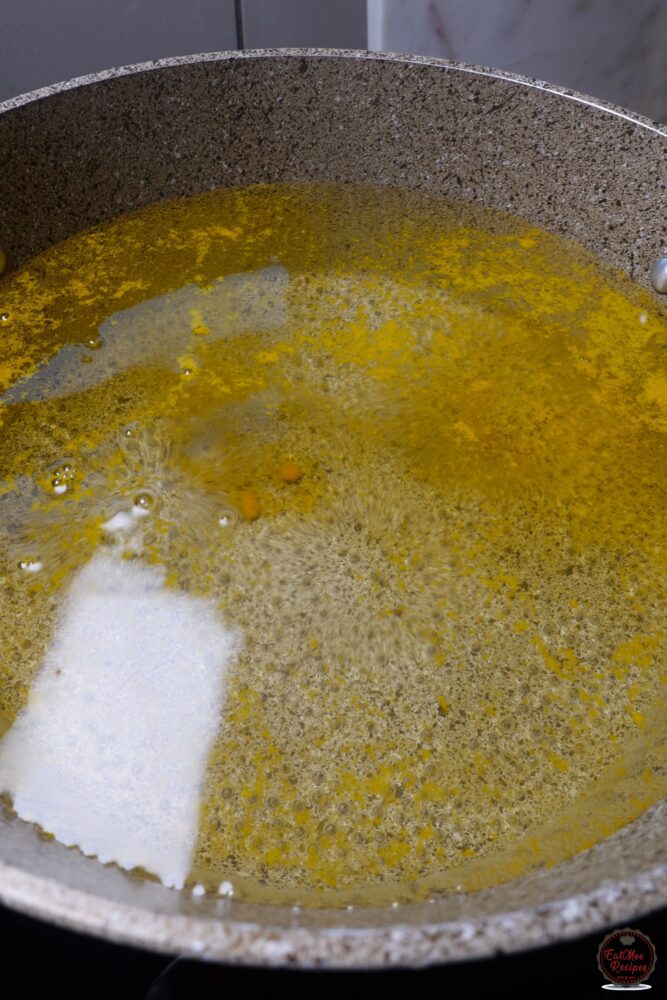
Boil them for 8 minutes or until just tender.
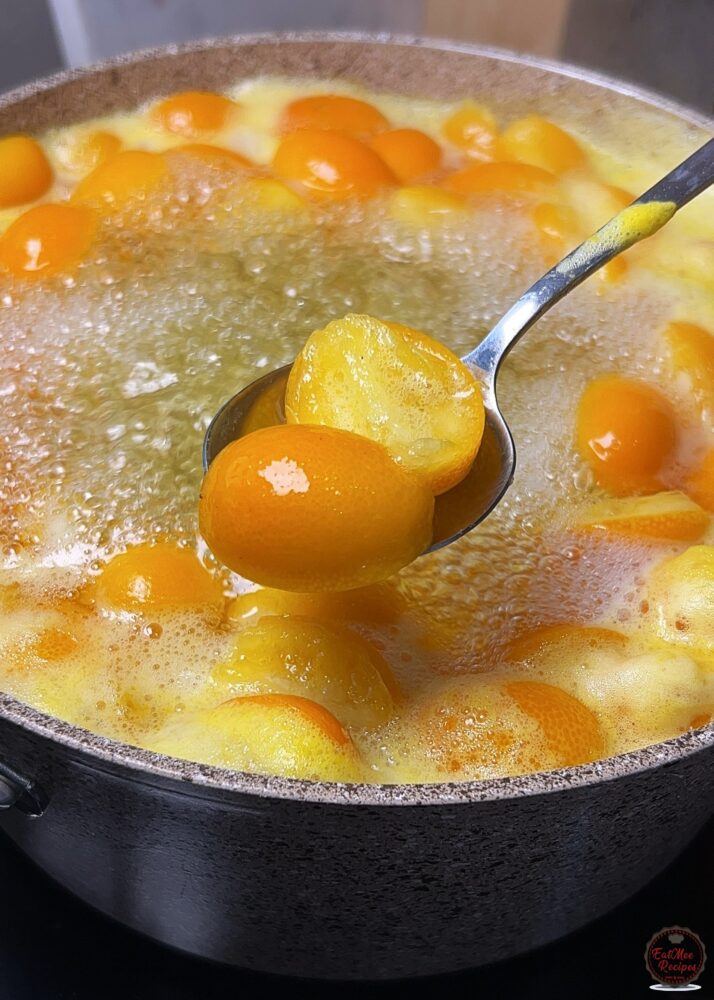
Drain the kumquats well and allow them to cool completely before continuing.
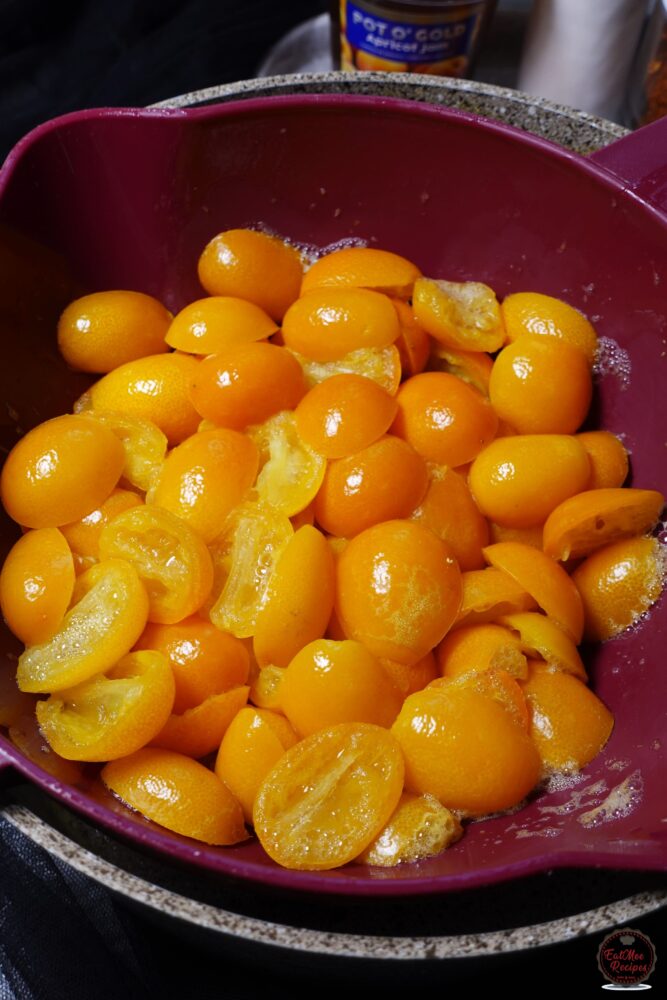
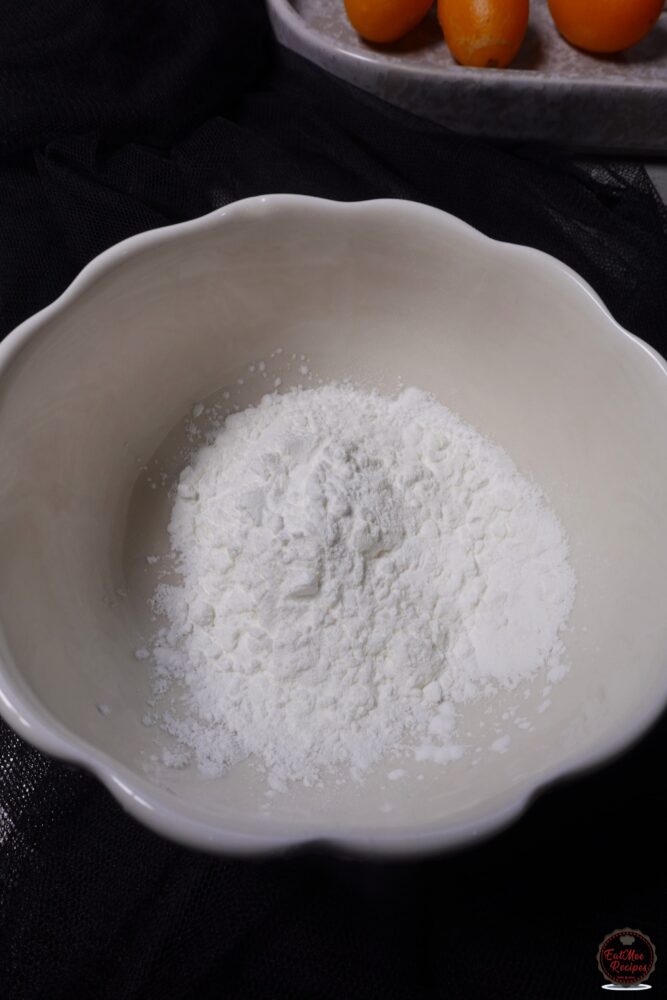
While the kumquats are cooling, prepare the syrup. Add cornflour to a small bowl with 3 tablespoons of cold water and mix until smooth.
Add the water, white vinegar, white sugar, brown sugar and apricot jam to a saucepan on medium heat. Vinegar acts as both a preservative and flavour enhancer. Its acidity balances the sweetness and helps extend the shelf life of the pickle. White sugar provides sweetness without affecting the colour of the pickle. Brown sugar adds a slight caramel-like depth and richness. If you don’t have brown sugar, simply replace it with additional white sugar. The recipe will still work beautifully.
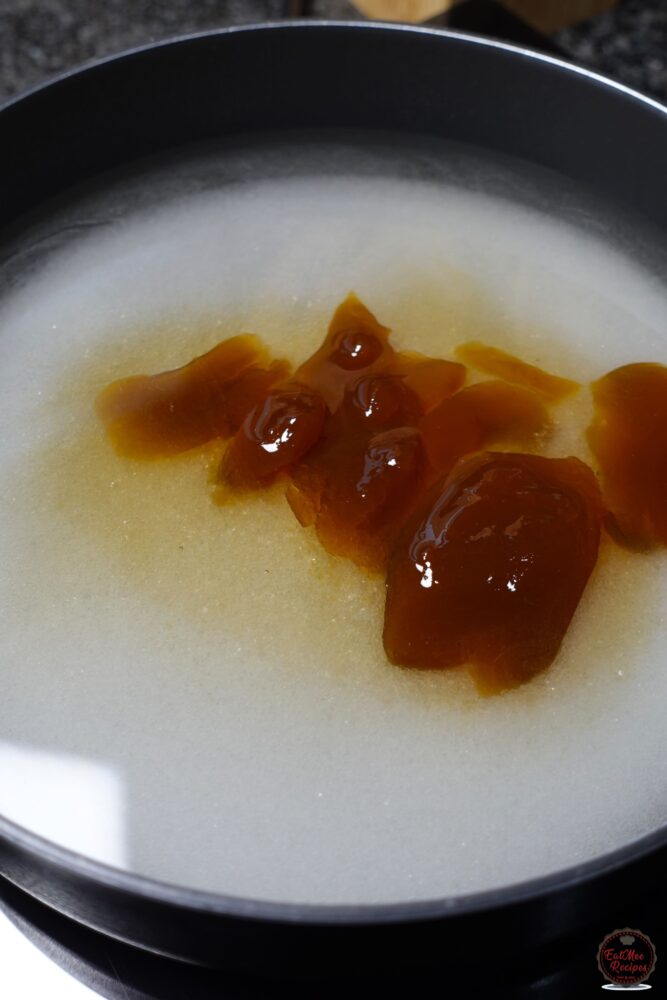
Don’t skip the apricot jam. It adds a subtle fruity sweetness, balances the sharpness of the vinegar and contributes to the glossy finish of the pickle.
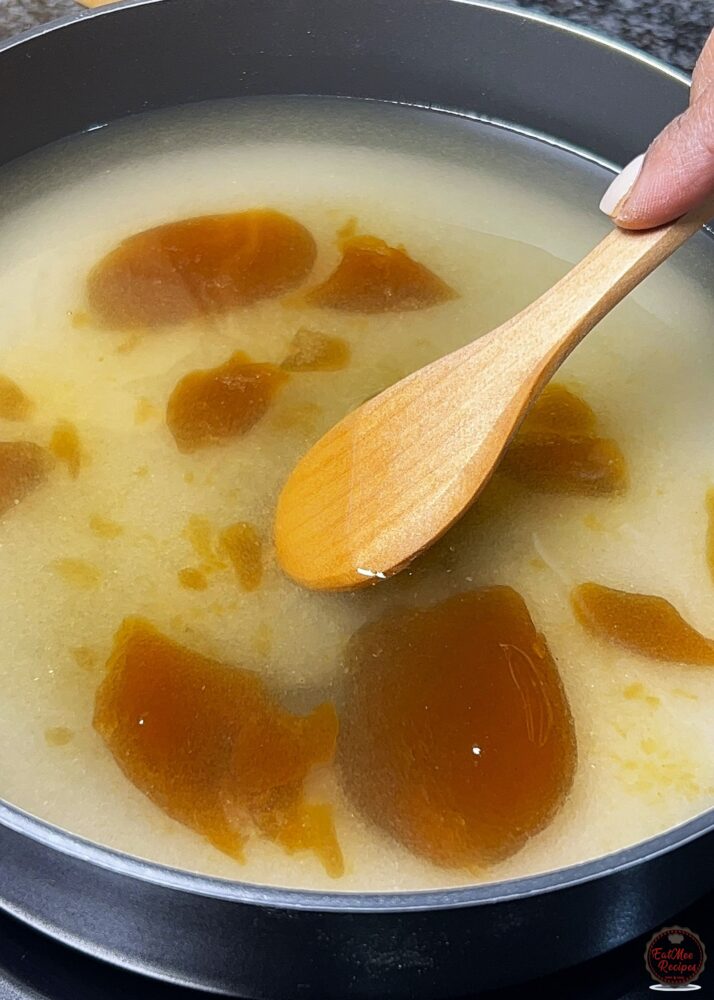
Bring the mixture to a gentle simmer, stirring until the sugar has dissolved and the apricot jam has completely melted into the syrup.
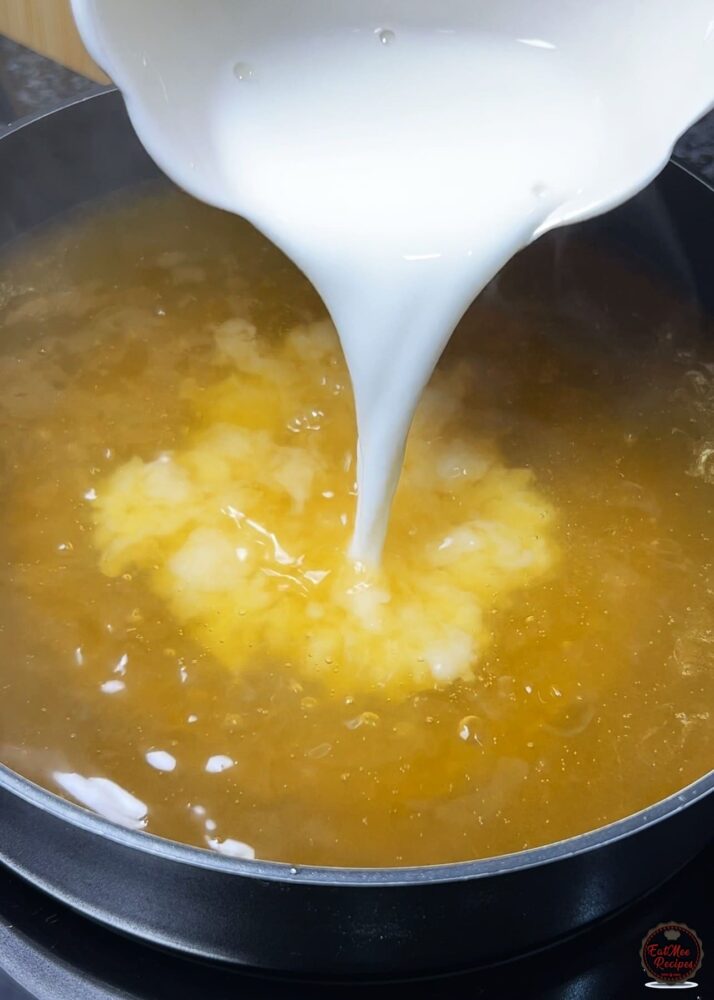
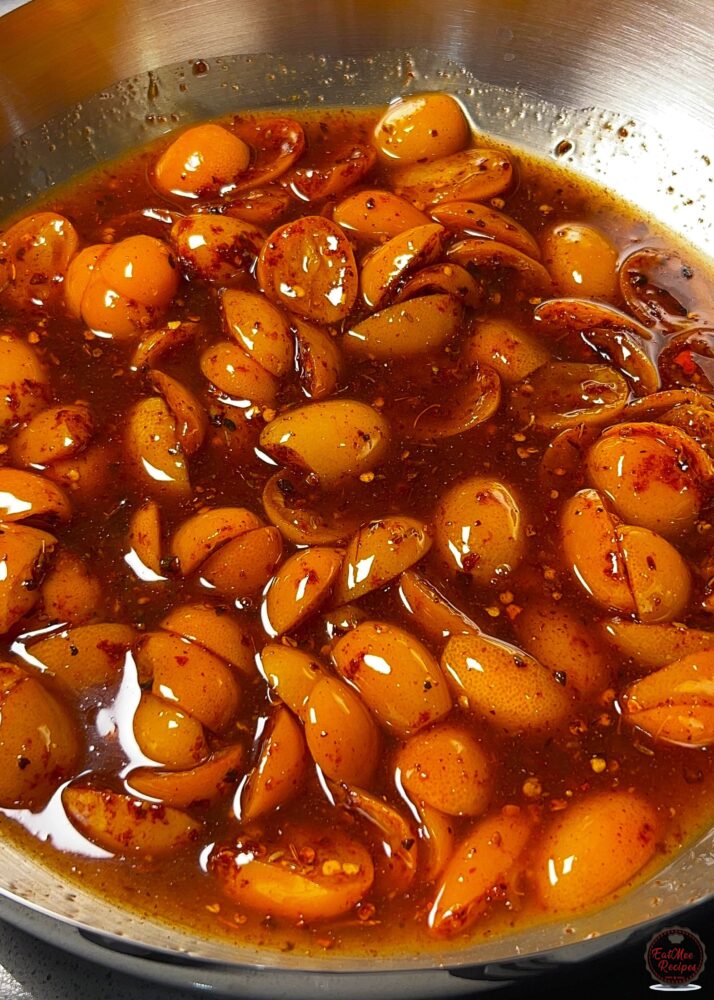
Slowly whisk the cornflour slurry into the simmering syrup and cook for 2 to 3 minutes, or until the syrup is glossy and lightly thickened. A small amount of cornflour helps create a silky syrup that lightly coats each kumquat without becoming overly thick.
Remove the syrup from the heat and allow it to cool for about 10 minutes.
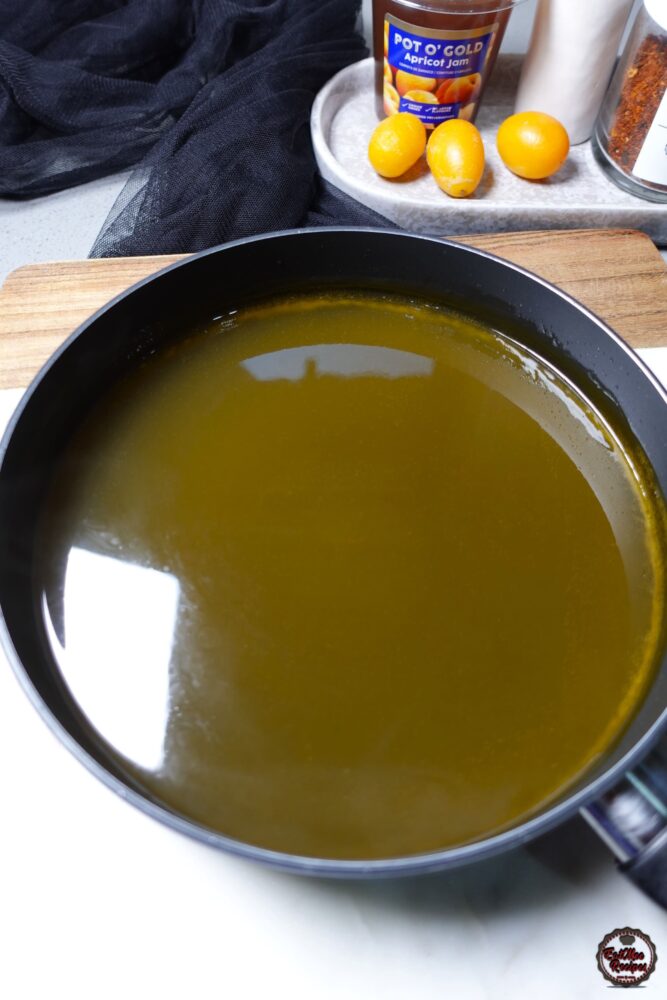
Now it’s time to spice the cooled kumquats. Start by adding the pickle masala. Pickle masala forms the backbone of the flavour profile, bringing warmth, spice and that unmistakable pickle taste.
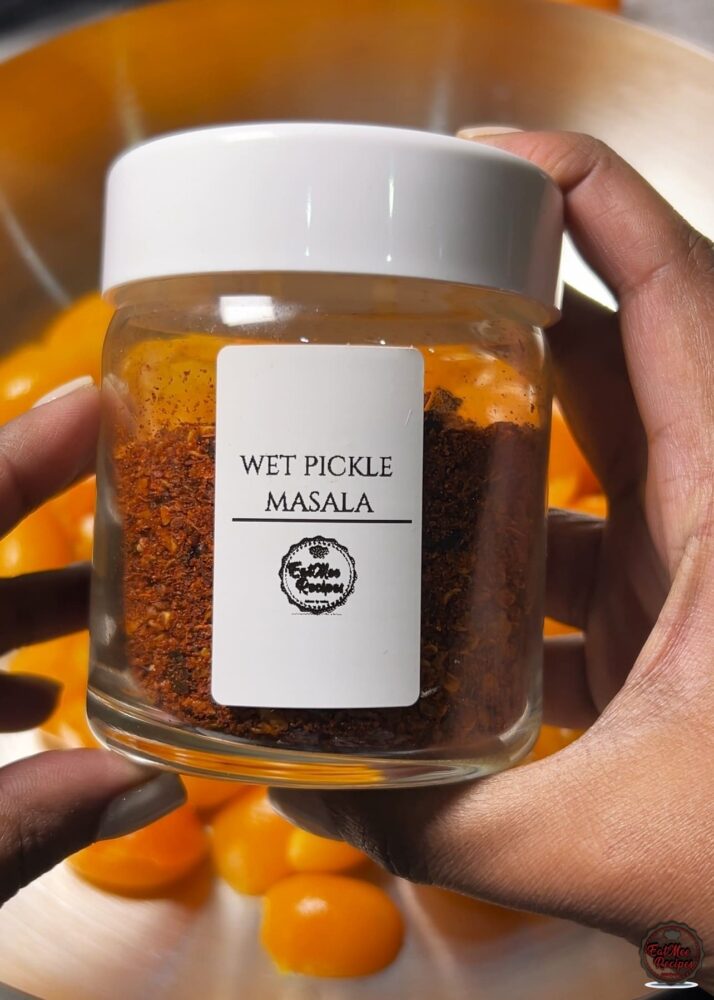
Add in the remaining spices: chilli powder, chilli flakes, coriander (dhania) powder and cumin (jeera) seeds to the cooled kumquats.
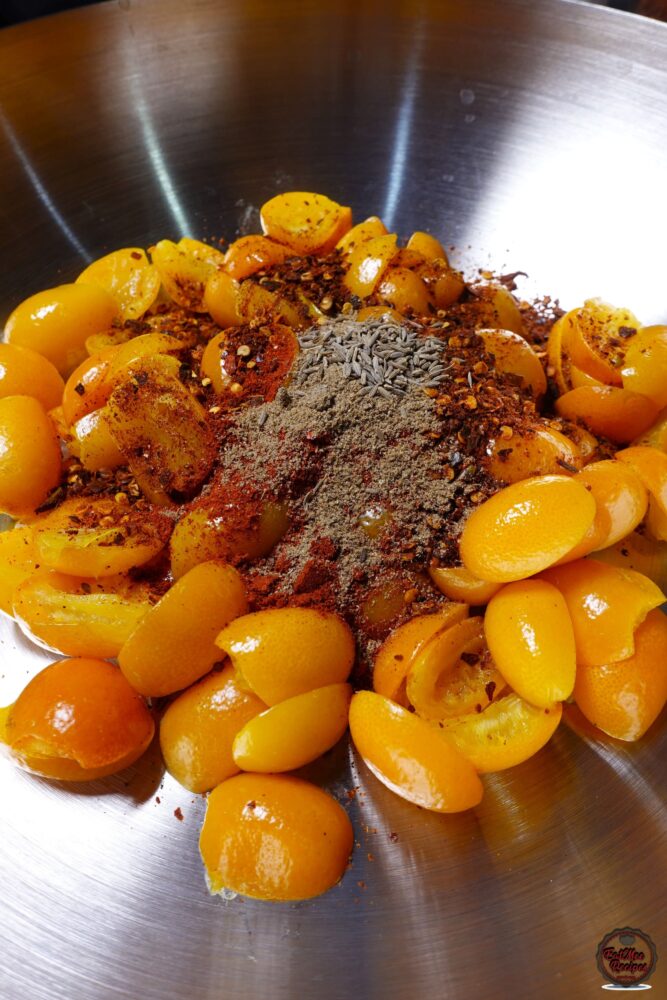
Gently mix until every kumquat is evenly coated in the spices.
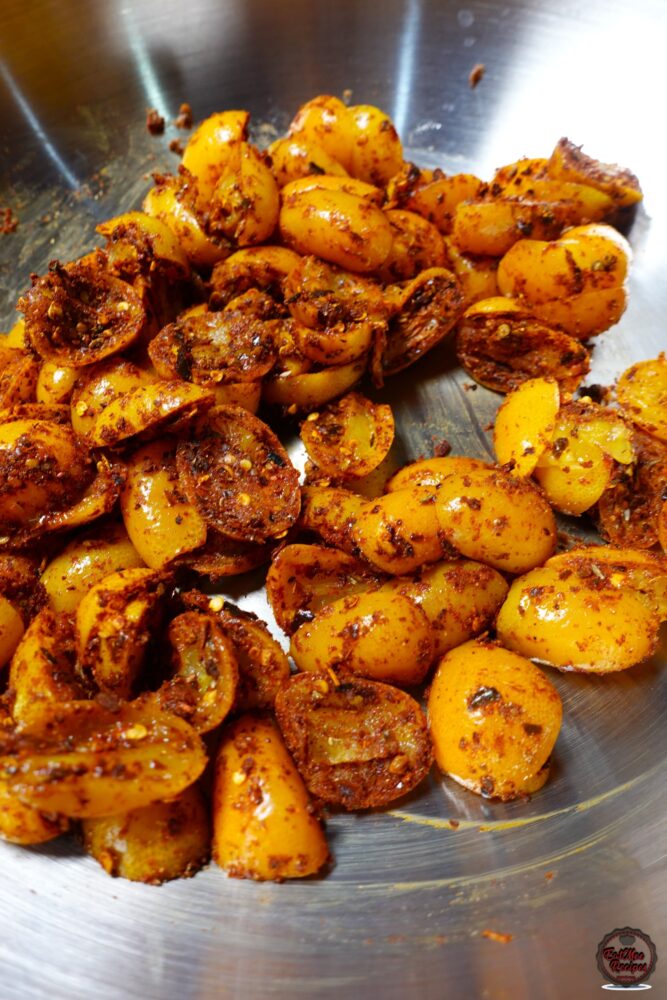
Pour the warm syrup over the kumquats.
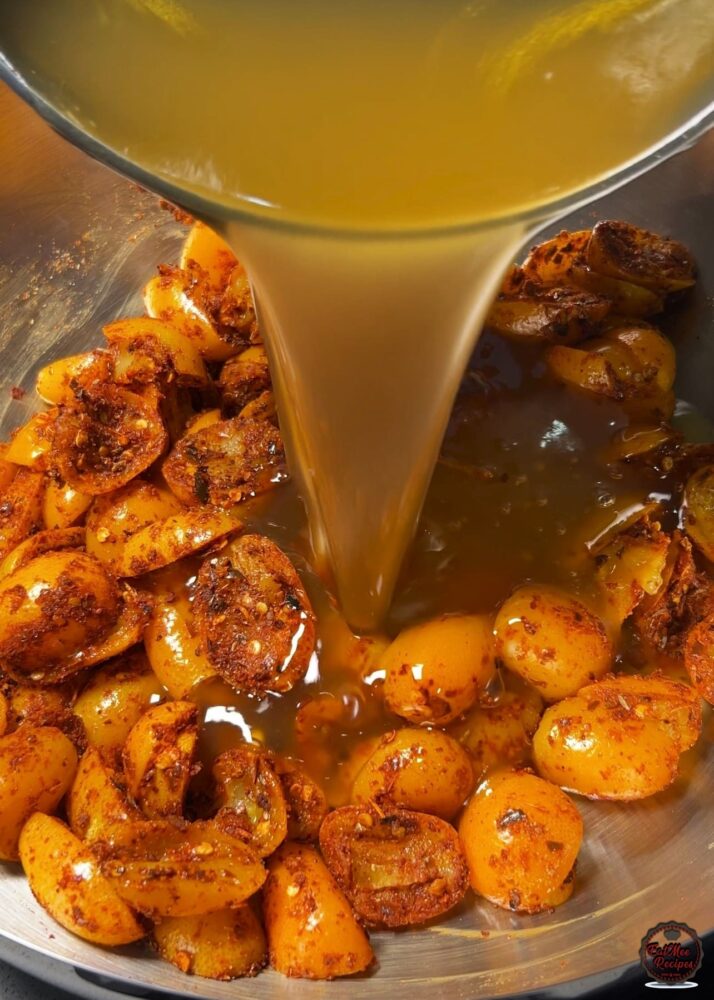
Gently fold everything together until well coated.
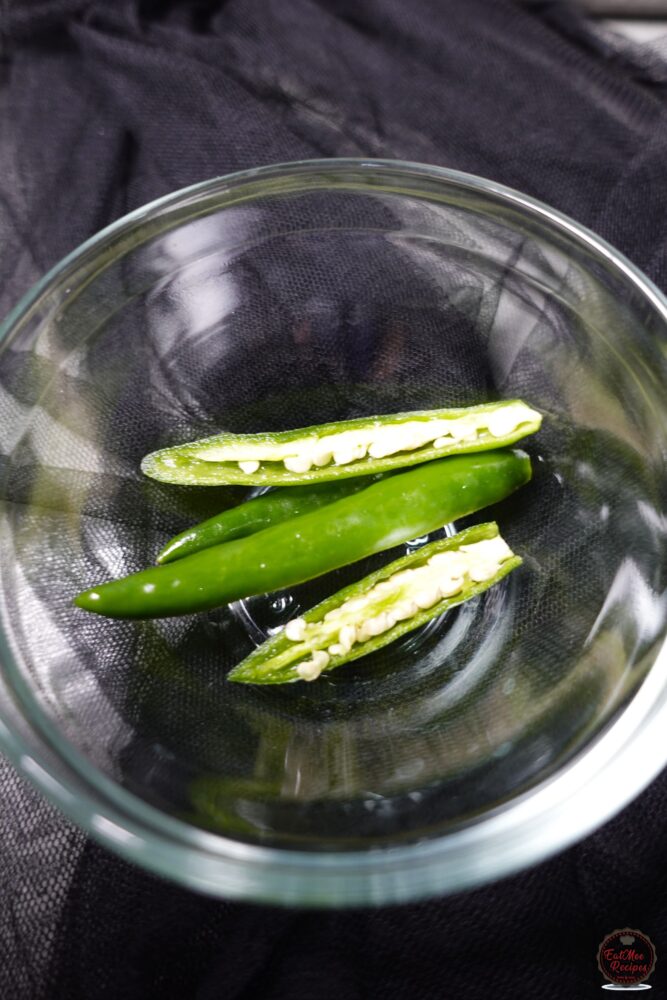
Now for the vagaar. Slit the green chillies and remove the leaves from the curry leaf stem as we will only use the leaves in this recipe. They add layers of flavour, aroma and richness to the finished pickle.
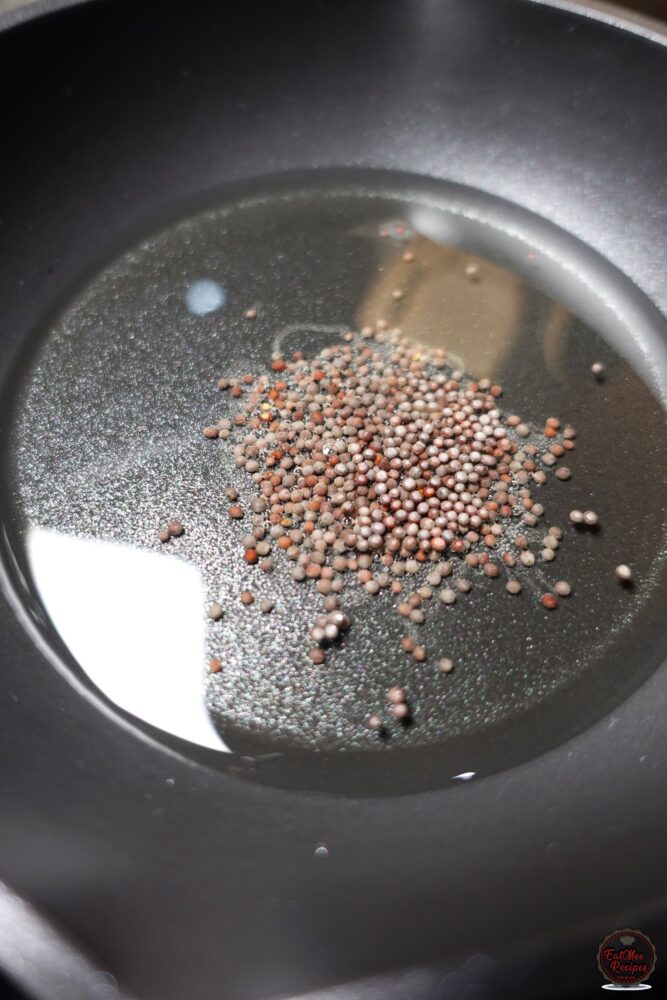
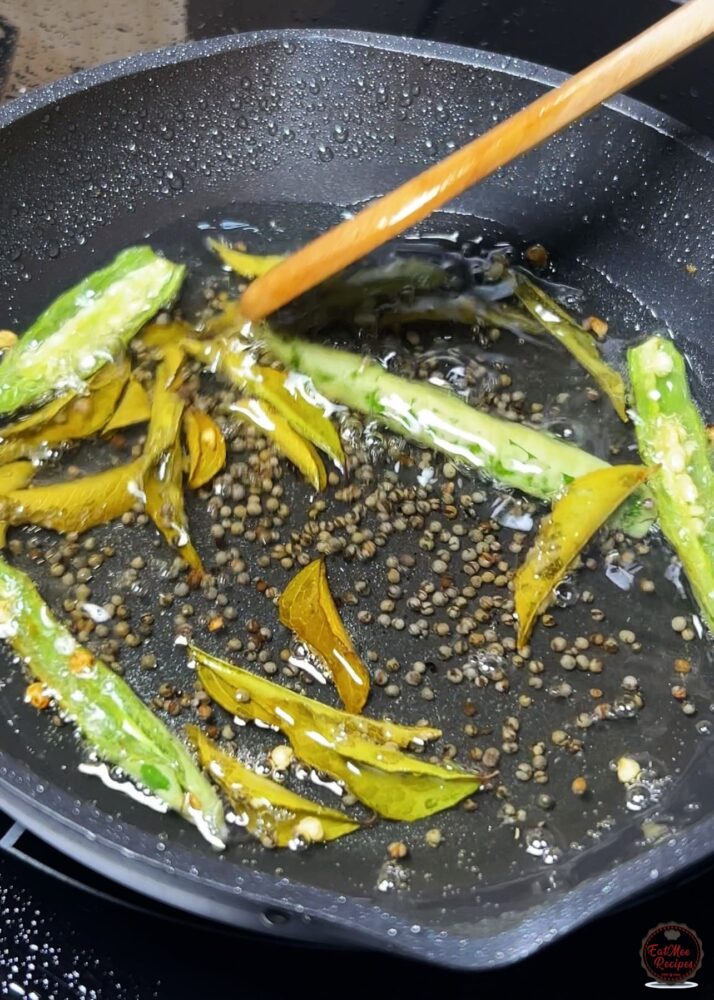
Heat the oil in a small pan over medium heat. Add the mustard seeds and allow them to pop.
Add the green chillies and curry leaves. Be careful as it will splatter.
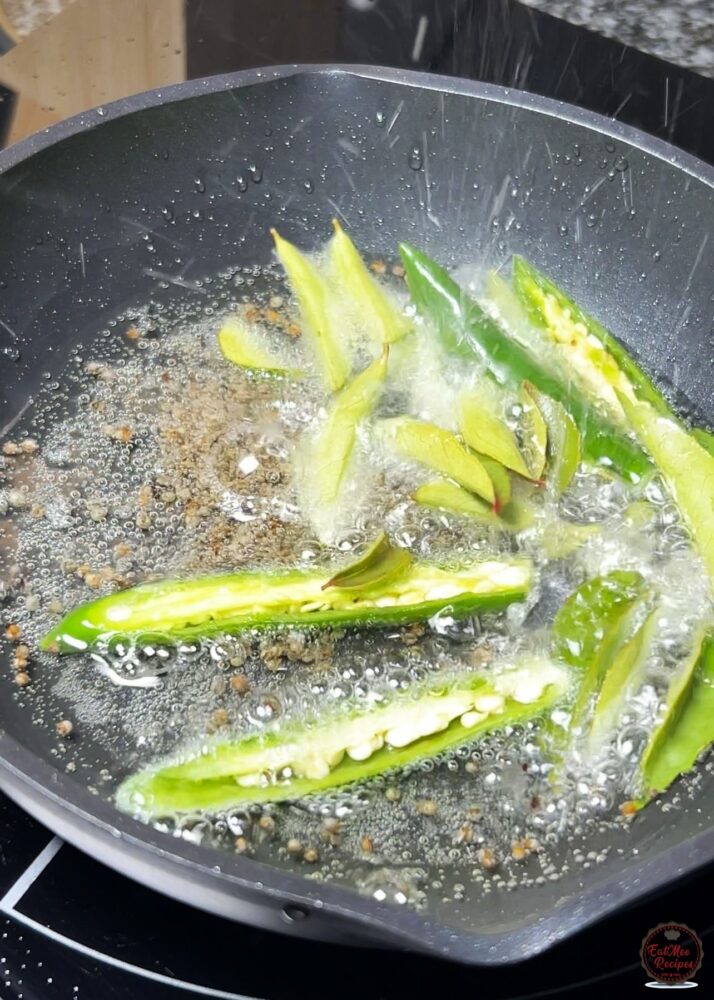
Fry for 30 seconds until fragrant.
Pour the hot vagaar over the kumquat pickle and gently mix everything together.
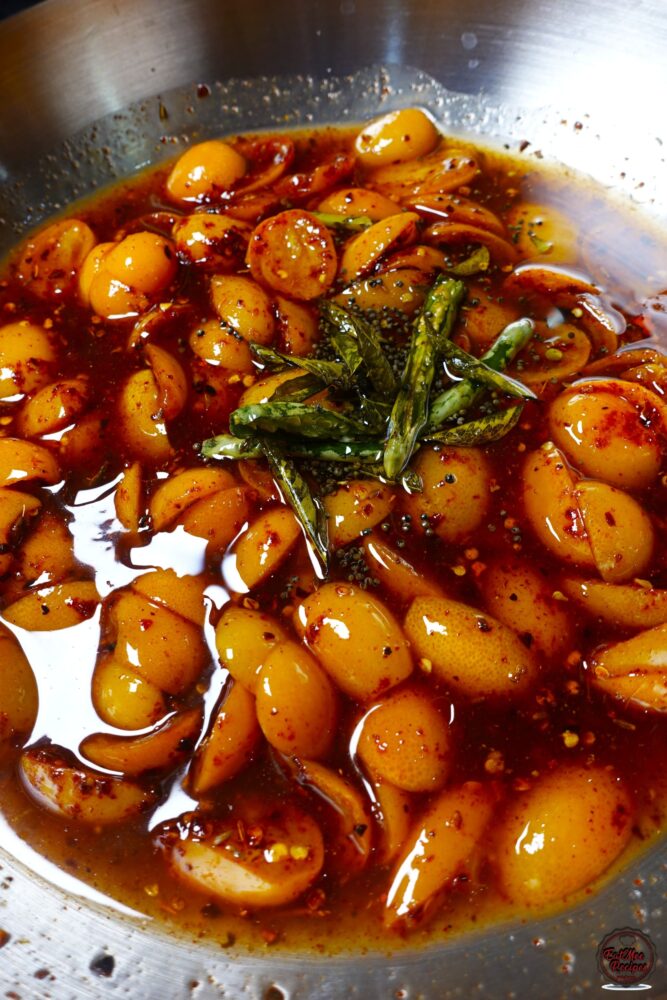
Allow the pickle to cool completely before bottling into a clean, sterilised 1 litre glass jar.
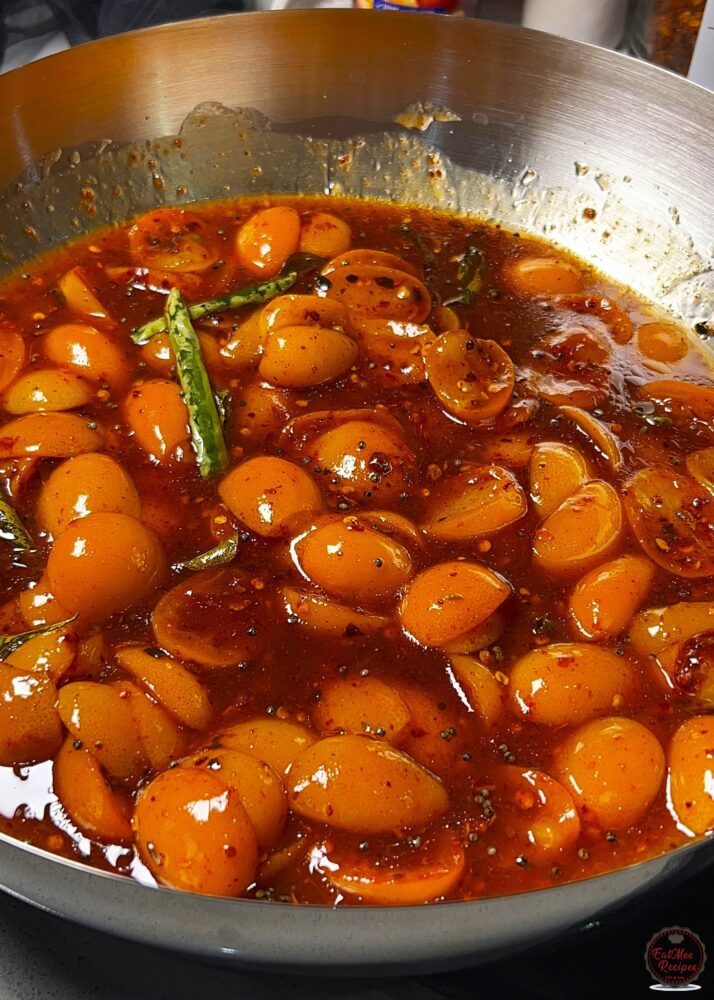
The pickle can be enjoyed after 24 hours, but it tastes even better after 2 to 3 days, once the flavours have had time to develop.
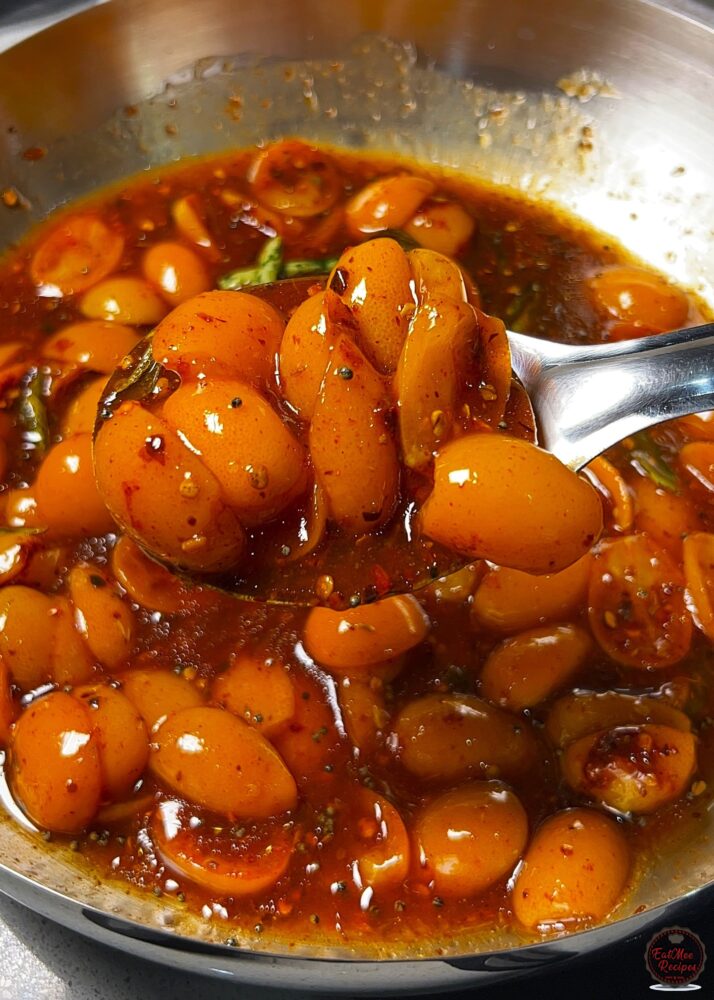
Store the kumquat pickle in a sterilised airtight glass jar in the refrigerator. Always use a clean, dry spoon when serving to prevent contamination.
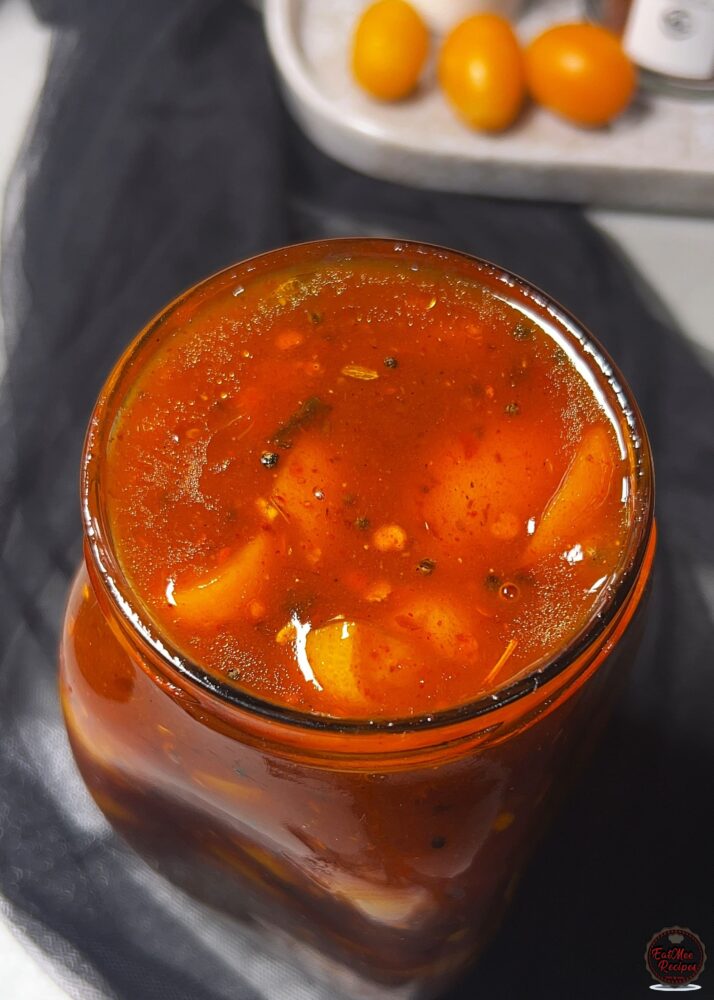
When stored correctly in the refrigerator, it will keep for approximately 2 to 3 months. If you notice any unusual odours, mould or signs of fermentation, discard the pickle immediately.
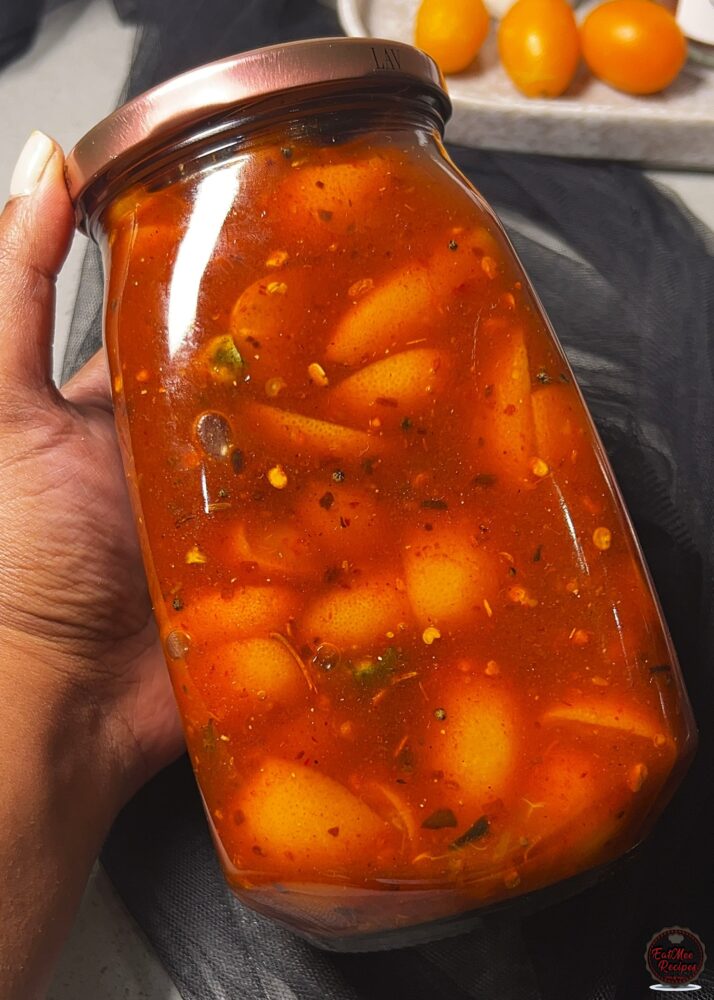
This kumquat pickle pairs beautifully with curries, dhal and rice, biryani, rotis, breyani, savoury rice dishes or even a simple cheese board. However you serve it, it’s a delicious way to enjoy kumquats while they’re in season.